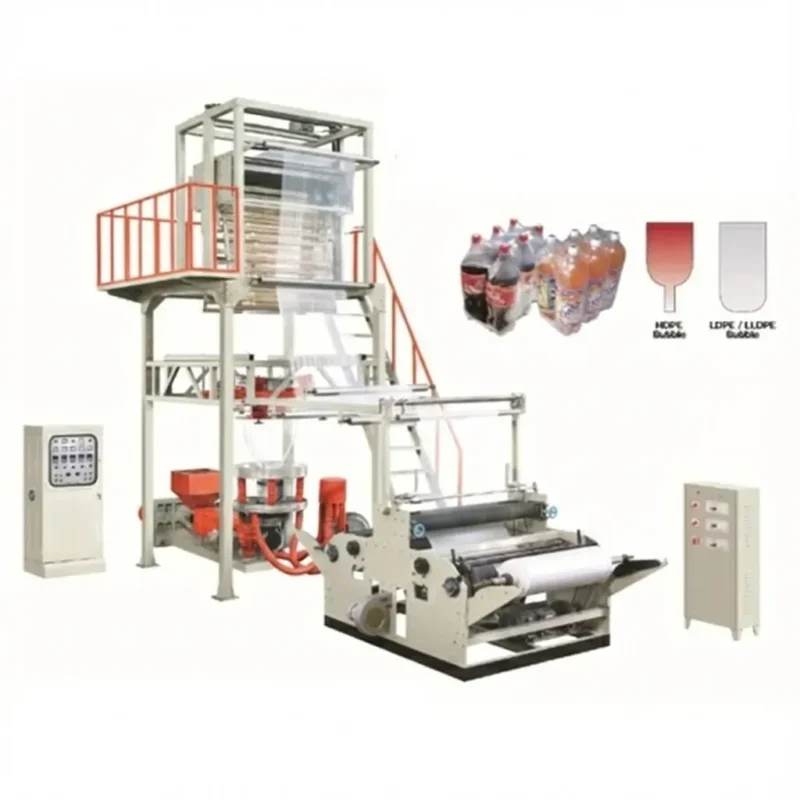
Blown Film Extrusion Machinery for Plastic Packaging Film Production
Blown film extrusion is a pivotal technology in the production of plastic packaging films, enabling the creation of versatile and durable materials used across various industries. This article delves into the technical specifications, operational benefits, and applications of blown film extrusion machinery, providing insights into how this technology enhances packaging solutions. As businesses increasingly seek sustainable and efficient packaging options, understanding the intricacies of blown film extrusion becomes essential. This guide will explore the machinery’s specifications, the benefits it offers, and its diverse applications in the packaging industry, ultimately highlighting the importance of this technology in modern manufacturing.
Technical Specifications of Machinery
Blown film extrusion machinery is designed to produce high-quality plastic films through a precise and controlled process. Key specifications include the screw diameter, which affects the material flow and film thickness, and the extrusion capacity, which determines the volume of film produced. Additionally, features such as temperature control and die design play crucial roles in ensuring the quality of the final product.
| Model | Specification | Value |
|---|---|---|
| Model A | Screw Diameter | 60 mm |
| Model B | Extrusion Capacity | 200 kg/h |
| Model C | Film Thickness Range | 10-200 microns |
These specifications are vital for manufacturers to select the appropriate machinery that meets their production needs while ensuring efficiency and quality.
Operational Benefits
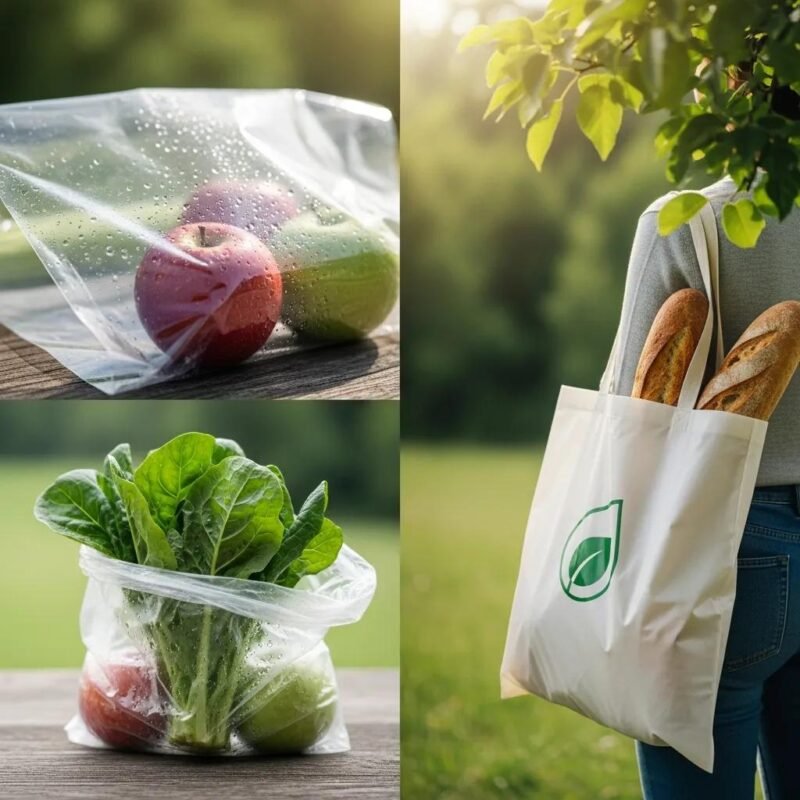
Utilizing blown film extrusion machinery offers several operational benefits that enhance production efficiency and product quality.
- Sustainability of Materials: The technology allows for the use of biodegradable films, contributing to environmentally friendly packaging solutions.
- Efficiency in Production: Advanced machinery reduces production time and waste, optimizing the manufacturing process.
- Cost-Effectiveness: By minimizing material usage and maximizing output, businesses can significantly lower their production costs.
Máquina Para Hacer Bolsas Ecuador specializes in supplying machinery and equipment for plastic bag manufacturing, focusing on blown film extrusion technology for packaging films. This expertise ensures that manufacturers can access the latest advancements in machinery to enhance their production capabilities.
Applications in the Packaging Industry
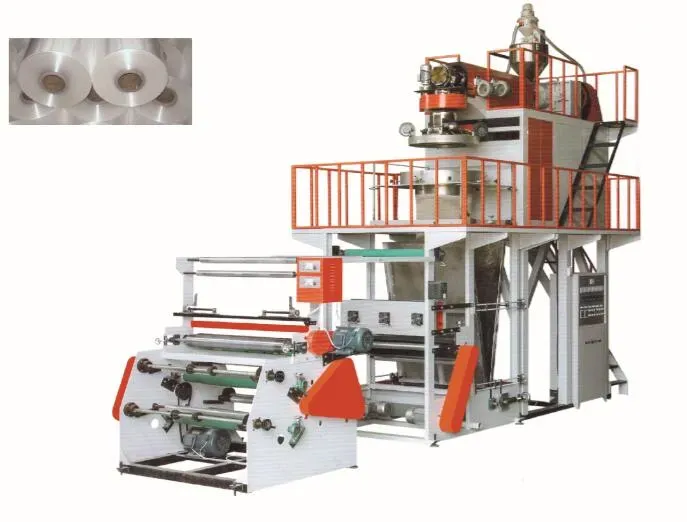
Blown film extrusion technology is widely used in various sectors, demonstrating its versatility and effectiveness in producing high-quality packaging films.
- Food Packaging Applications: The technology is essential for creating films that preserve food freshness and extend shelf life.
- Retail and Shopping Bags: Blown films are commonly used for producing durable and lightweight shopping bags, catering to consumer needs.
- Medical and Agricultural Uses: The machinery produces films that meet stringent safety standards for medical applications and protective films for agricultural products.
The adaptability of blown film extrusion machinery allows manufacturers to cater to diverse market demands, making it a crucial component in the packaging industry.
What Are the Key Specifications of Blown Film Extrusion Machines?
Blown film extrusion machines are characterized by several key specifications that determine their performance and suitability for various applications.
- Performance Metrics: Important metrics include film width and thickness, which directly impact the usability of the produced films.
- Material Compatibility: The ability to process different types of polymers, such as polyethylene, is essential for versatility.
- Energy Efficiency Features: Modern machines incorporate energy-saving technologies that reduce operational costs.
These specifications are critical for manufacturers to consider when selecting machinery that aligns with their production goals.
How Does the Extrusion Process Produce High-Quality Packaging Films?
The extrusion process involves several steps that contribute to the production of high-quality packaging films.
- Material Feeding and Melting: Raw materials are fed into the extruder, where they are melted and homogenized.
- Extrusion and Cooling: The molten polymer is extruded through a die, forming a tube that is then cooled to solidify the film.
- Winding and Quality Control: The finished film is wound onto rolls, with quality control measures in place to ensure consistency and performance.
Understanding these steps is crucial for manufacturers aiming to optimize their production processes and enhance film quality.
What Are the Steps Involved in Blown Film Extrusion Technology?
The blown film extrusion process consists of several key steps that ensure the efficient production of high-quality films.
- Material Feeding: The process begins with the feeding of plastic pellets into the extruder.
- Melting and Extrusion: The pellets are heated until they melt, then extruded through a circular die to form a tube.
- Cooling and Winding: The extruded film is cooled and then wound onto rolls for storage and distribution.
These steps highlight the complexity of the blown film extrusion process and the importance of precision in each phase.
How Do Extrusion Parameters Affect Polyethylene Film Properties?
Extrusion parameters significantly influence the properties of polyethylene films produced through blown film extrusion.
- Impact of Temperature and Pressure: Variations in temperature and pressure during extrusion can alter the film’s mechanical properties and clarity.
- Screw Speed Effects: The speed at which the screw operates affects the melt flow and, consequently, the film’s thickness and uniformity.
- Die Design Influence: The design of the die impacts the film’s final dimensions and characteristics, making it a critical factor in the extrusion process.
Understanding these parameters allows manufacturers to fine-tune their processes for optimal film quality.
What Are the Industrial Applications of Plastic Packaging Films Produced by Extruders?
Plastic packaging films produced by blown film extruders find applications across various industries, showcasing their versatility and functionality.
- Food Packaging: These films are essential for preserving food products, ensuring safety and freshness.
- Retail Applications: The durability of blown films makes them ideal for shopping bags and other retail packaging solutions.
- Medical Uses: Films produced for medical applications must meet strict regulatory standards, ensuring safety and efficacy.
The broad range of applications underscores the importance of blown film extrusion technology in meeting diverse industry needs.
How Do Film Specifications Influence Packaging Performance?
The specifications of blown films play a crucial role in determining their performance in packaging applications.
- Material Type and Film Thickness: The choice of material and the thickness of the film affect its strength and barrier properties.
- Film Width Considerations: Wider films may be necessary for certain applications, impacting production efficiency and material usage.
- Multi-layer Co-extrusion Benefits: Utilizing multi-layer co-extrusion techniques can enhance film properties, providing better protection and functionality.
These factors are essential for manufacturers to consider when designing packaging solutions that meet specific performance criteria.
How Does Technical Support and Maintenance Enhance Machinery Efficiency?
Technical support and regular maintenance are vital for ensuring the efficiency of blown film extrusion machinery.
- Regular Maintenance Practices: Scheduled maintenance helps prevent breakdowns and extends the lifespan of the machinery.
- Importance of Technical Support: Access to expert technical support can resolve issues quickly, minimizing downtime.
- Impact on Production Efficiency: Well-maintained machinery operates more efficiently, leading to higher production rates and lower costs.
Investing in technical support and maintenance is crucial for manufacturers aiming to optimize their production processes.
How Does Localized Technical Support Benefit Ecuadorian Manufacturers?
Localized technical support offers significant advantages for manufacturers in Ecuador utilizing blown film extrusion technology.
- Installation Services: Local support teams can provide timely installation services, ensuring machinery is set up correctly.
- Ongoing Maintenance: Regular maintenance services can be performed quickly, reducing downtime and enhancing productivity.
- Training for Local Operators: Providing training for local operators ensures that they can effectively manage and operate the machinery, leading to better production outcomes.
This localized approach to technical support empowers Ecuadorian manufacturers to maximize the benefits of their blown film extrusion machinery.