Extrusoras de Película Soplada: Tipos y Aplicaciones
Extrusoras de Pel&ia

The world of plastic manufacturing is vast and complex, encompassing various processes and machinery designed to produce a wide range of plastic products. This comprehensive guide aims to provide insights into the different types of plastic manufacturing machinery, their operational mechanisms, and how to select the right equipment for your production needs. Understanding these elements is crucial for manufacturers looking to optimize their production efficiency and product quality. As the demand for plastic products continues to grow, so does the need for advanced machinery that can meet these challenges effectively. This article will explore the main plastic manufacturing processes, essential equipment, selection criteria, and the latest innovations in the industry.
The main plastic manufacturing processes and their machinery include:
These processes and machines are used to manufacture various plastic products, including bags and films.
Plastic extrusion works by melting plastic pellets and forcing them through a die to create continuous shapes, such as films or tubes. The process typically involves heating the plastic until it becomes malleable, then using a screw mechanism to push it through the die, where it cools and solidifies into the desired shape.
The types of machines used in plastic extrusion include:
These machines are designed for various applications in producing plastic films and bags.
Injection molding machines are designed to inject molten plastic into a mold to create specific shapes. Key features of these machines include precise temperature control, high clamping force, and the ability to produce complex geometries. Variants of injection molding machines include hydraulic, electric, and hybrid models, each offering unique advantages in terms of energy efficiency, speed, and production capacity.
Further research highlights the importance of optimizing energy efficiency in these machines for improved sustainability.
Optimizing Energy Efficiency in Plastic Injection Molding
This study presents a comprehensive design of experiments (DOE) approach to optimize energy efficiency in plastic injection molding. These findings were validated on a 750-ton hydraulic injection molding machine. Analysis of the results revealed significant energy savings and improved process efficiency and sustainability in plastic injection molding.
Achieving energy savings and process optimization in plastic injection molding: A design of experiments study, 2024
Essential plastic film production lines and equipment include:
Blown film extrusion machines operate by melting plastic pellets and extruding them through a circular die to form a thin film. The film is then inflated to create a bubble, which is cooled and flattened for further processing. These machines typically use materials such as low-density polyethylene (LDPE), linear low-density polyethylene (LLDPE), and high-density polyethylene (HDPE) for producing various types of plastic bags and films.
Blown film production involves extruding molten plastic through a circular die and inflating it, resulting in a film with unique properties such as strength and flexibility. In contrast, cast film production involves extruding plastic through a flat die, cooling it on a chill roll, and cutting it into sheets. The choice between these methods depends on the desired film characteristics and application.
To select the right plastic manufacturing equipment for your needs, consider the following factors:
By gathering this information, you can make a more informed decision on the appropriate equipment for your plastic manufacturing needs.
When selecting machinery, production volume is a critical factor as it determines the machine’s capacity to meet demand. Material compatibility is essential to ensure that the machine can process the specific types of plastics you intend to use. Energy efficiency is increasingly important, as it affects operational costs and environmental impact. Choosing machines that optimize these factors can lead to significant long-term savings and sustainability.
Conducting a cost-benefit analysis involves evaluating the initial investment against potential returns. Key steps include estimating production costs, analyzing expected output, and considering maintenance expenses. Additionally, factor in the machine’s lifespan and any potential for technological upgrades. This analysis helps determine the overall value of the investment and guides decision-making.
The plastic manufacturing industry is witnessing several innovations and trends that are shaping its future. These include advancements in automation, the integration of smart technologies, and a growing emphasis on sustainability.
Sustainability is becoming a central focus in plastic manufacturing, with many companies exploring the use of recycled materials and mono-material designs. These approaches not only reduce waste but also enhance the recyclability of products, aligning with global efforts to minimize plastic pollution. Manufacturers are increasingly investing in machinery that can efficiently process recycled content, ensuring that sustainability becomes a core aspect of production.
Indeed, sustainability is recognized as a significant trend influencing the entire plastics industry, driving manufacturers to seek innovative solutions.
Sustainability Trends in Plastics Manufacturing Machinery
Sustainability is a megatrend that is also influencing the plastics industry. This paper presents some solutions with which manufacturers and operators of plastics machinery can contribute to sustainability. Most players in the plastics industry are already aware of the need for greater sustainability and are working to implement it.
Sustainability: The Megatrend for Plastics Manufacturing Machinery
Automation and smart factory integration are revolutionizing plastic processing by enhancing efficiency and reducing labor costs. Technologies such as IoT (Internet of Things) enable real-time monitoring and data analysis, allowing manufacturers to optimize production processes and respond quickly to market demands. This shift towards smart manufacturing is expected to continue, driving innovation and competitiveness in the industry.
The implementation of smart factory concepts is crucial for the plastics processing industry to further enhance efficiency and competitiveness.
Smart Factory Concepts for Plastics Processing Industry
Finally, the readiness of the plastics processing industry in these pillars is discussed to transfer Smart Factory concepts into practical use and state high fitness, e.g., in terms of data acquisition and communication standards. This contribution supports researchers and practitioners in achieving a common understanding of the term “Smart Factory” and its specifications, providing them with a framework of technological objectives to offer industrial companies the right solutions for a comprehensive Smart Factory implementation.
Smart factory concepts and their fitness to the plastics processing industry: a critical review, 2025
The plastic recycling equipment solutions that enhance sustainability and efficiency include the “Extrusora de reciclaje” (Recycling Extruder) and “Peletizadora de plástico” (Plastic Pelletizer). These machines are designed to process post-consumer plastic waste, converting it back into usable raw materials for new products.
Recycling machines play a crucial role in the circular economy. Common types include:
These machines are essential for efficient recycling processes, ensuring that plastic waste is effectively transformed into valuable resources.
Integrating recycling processes with plastic manufacturing lines enhances overall efficiency and sustainability. By incorporating recycling machinery into production workflows, manufacturers can reduce raw material costs and minimize waste. This integration allows for a more circular approach to plastic production, where materials are continuously reused and repurposed.
The auxiliary plastic processing machines that support production and quality include:
Flexo printing machines are essential for producing high-quality graphics on plastic packaging. They utilize flexible relief plates to transfer ink onto various substrates, allowing for vibrant colors and intricate designs. This technology is widely used in the packaging industry, enhancing product visibility and branding.
The auxiliary equipment that improves plastic film and bag manufacturing includes:

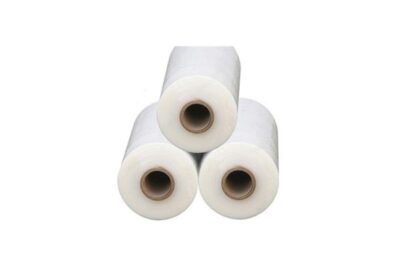
Evergreen Machine CO.,LTD es el fabricante y proveedor de equipos de toda la planta para hacer películas de plástico y bolsas de plástico, incluida extrusion de pelicula soplada Sopladora,Máquina para hacer Bolsas,Impresora Flexografica,Maquina Huecograbado,Extrusora Reciclaje,Maquina para Stretch Film,Máquina Poli Burbuja.
Whatsapp:008613088651008
© 2025 Evergreen Machine Co.,Ltd All rights reserved. Sales@kingdommachine.com; Whatsapp:008613088651008;
